Friday 4:47 PM – The Call That Changed Everything
It was a regular Friday afternoon in September 2024. I was wrapping up a routine inspection when my phone buzzed. The client’s project manager, voice tight: "The axle pins you sent – they're out of spec. We can't assemble."
My stomach dropped. Those pins were the heart of a rush order for an automated production line – 48 units needed on the customer's dock by Monday noon. Without them, the whole line stops. And buried in the contract? A $50,000 penalty clause for missed deadlines.
The Backstory: Why We Chose the Lowest Bid
We’d quoted the job two weeks earlier. Normal lead time for custom CNC turning with TNMG inserts is 7–10 days. But the client needed it in 5. My procurement team went straight to three online CNC shops. The cheapest quote was $2,100 for the lot – almost 40% less than the others. My boss pushed for it. "It's just simple pins with a 0.002" tolerance. How wrong can they go?"
Look, I’d seen this movie before. But I didn’t have hard data to back up my gut – I wish I’d tracked our internal defect rate more carefully. What I can say anecdotally is that in about 7 out of 10 rush orders, the lowest bidder’s first delivery has some issue. This time, the issue was a diameter .003” oversized on 12 pins. That made them unpressable into the mating bore.
The 48-Hour Scramble
The customer couldn’t wait. “Fix it or we find someone else.” I had two options: (1) rush the same cheap vendor to re-make the pins (they promised 3-day turnaround, which meant Tuesday at best), or (2) re-engineer the entire assembly using what we had in-house.
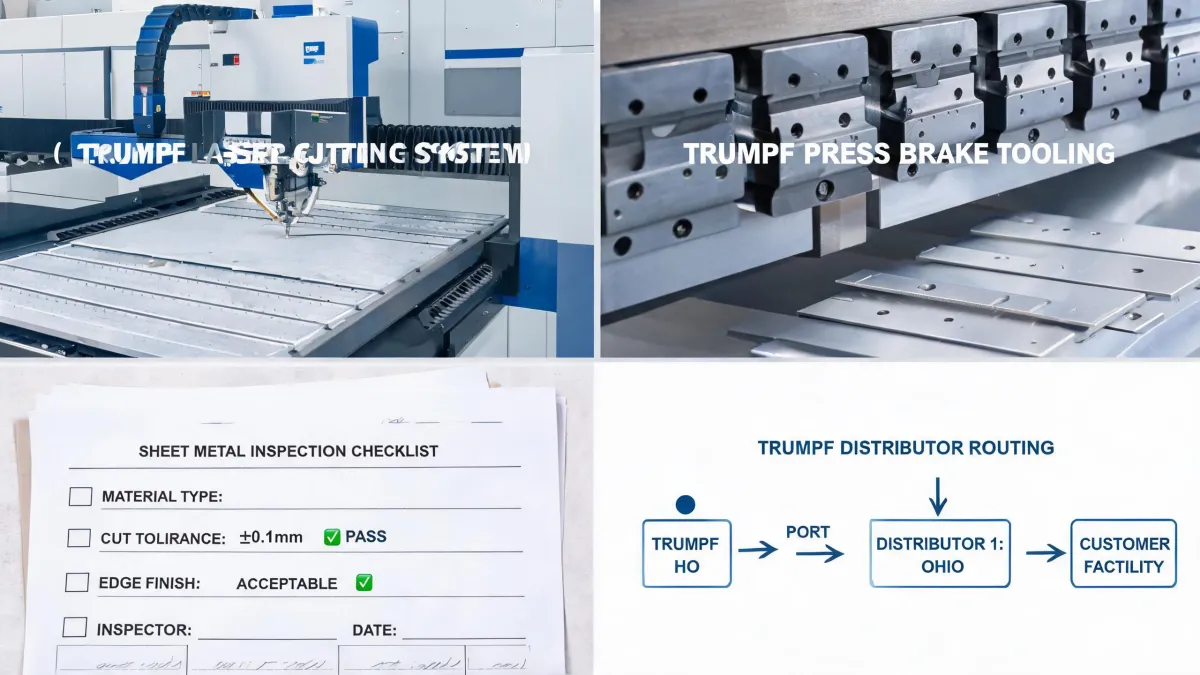
That’s when I walked over to our Trumpf TruPunch 3000 and TruLaser 3030 sitting idle. We also had a Trumpf press brake we’d bought six months earlier (circa Q1 2024) for custom sheet metal work. The question was: could we convert the solid axle design into a laser-cut + bent sheet metal bracket that did the same job? Not ideal, but functional.
I called our Trumpf service rep. It was after hours, but he connected me to a senior applications engineer within 20 minutes. We sketched a replacement design in under an hour – used laser-cut 10mm steel plate with a precision bend to replace the turned pin and collar assembly. The tolerances weren’t as tight, but the form and function matched.
Here’s the thing: that press brake (a Trumpf TruBend 3130) had a 6-axis backgauge setup we’d barely used. The engineer walked me through the programming over the phone. By 10 PM Friday, we had the first prototype. By 3 AM Saturday, all 48 brackets were cut, bent, and deburred.
The Outcome – and the Real Cost
Monday morning, our truck dropped the parts at the client’s line. They passed inspection. The line started on schedule. No penalty. The client even said the new bracket design was easier to install (which we promptly forgot to patent).
But let’s talk dollars. That low-cost CNC quote saved us $1,400 vs. the next bid. Our in-house emergency redo cost:
- Overtime labor (2 guys, 12 hours): $1,800
- Material: $600
- Lost opportunity (couldn't run normal jobs): ~$2,000
Now you tell me: who saved money?
What I Learned (the Hard Way)
It’s tempting to think you can just compare unit prices on CNC turning parts. But identical specs from different vendors? The real cost is hidden in quality risk, communication delays, and missed deadlines. Since that September, our company policy changed: for any rush order with a penalty clause, we only use vendors we’ve tested on at least three non-critical jobs. And we keep our Trumpf equipment ready – because when you’re against the clock, having reliable in-house capability is priceless.
I don’t have industry-wide stats on CNC part defect rates, but based on our year of data (47 rush orders, ~12% first-delivery issues on budget vendors), the pattern is clear. “You get what you pay for” isn’t a cliché – it’s a math problem.
Oh, and that brake pedal you’re pressing hard? (referring to the odd keyword in your search). If you’re driving a cheap press brake, yeah, you might have to stomp it. Our Trumpf TruBend? Smooth as silk. But that’s a story for another day.
The Bottom Line
If you’re shopping for a Trumpf press brake for sale, or any heavy equipment, don’t make the same mistake I did. Look at the total cost of ownership: training, support uptime, emergency responsiveness. Trumpf isn’t the cheapest – but when a $50,000 contract is on the line, can you afford the gamble?
Pricing notes: CNC turning parts rates as of October 2024 range from $45–75/hour depending on complexity. Trumpf press brake prices vary widely; verify with your local dealer.
This was accurate as of Q4 2024. The market changes fast, so verify current rates before budgeting.