Source Map
Machine model, distributor region, service coverage, tooling list, and maintenance dependencies are placed into one source map.
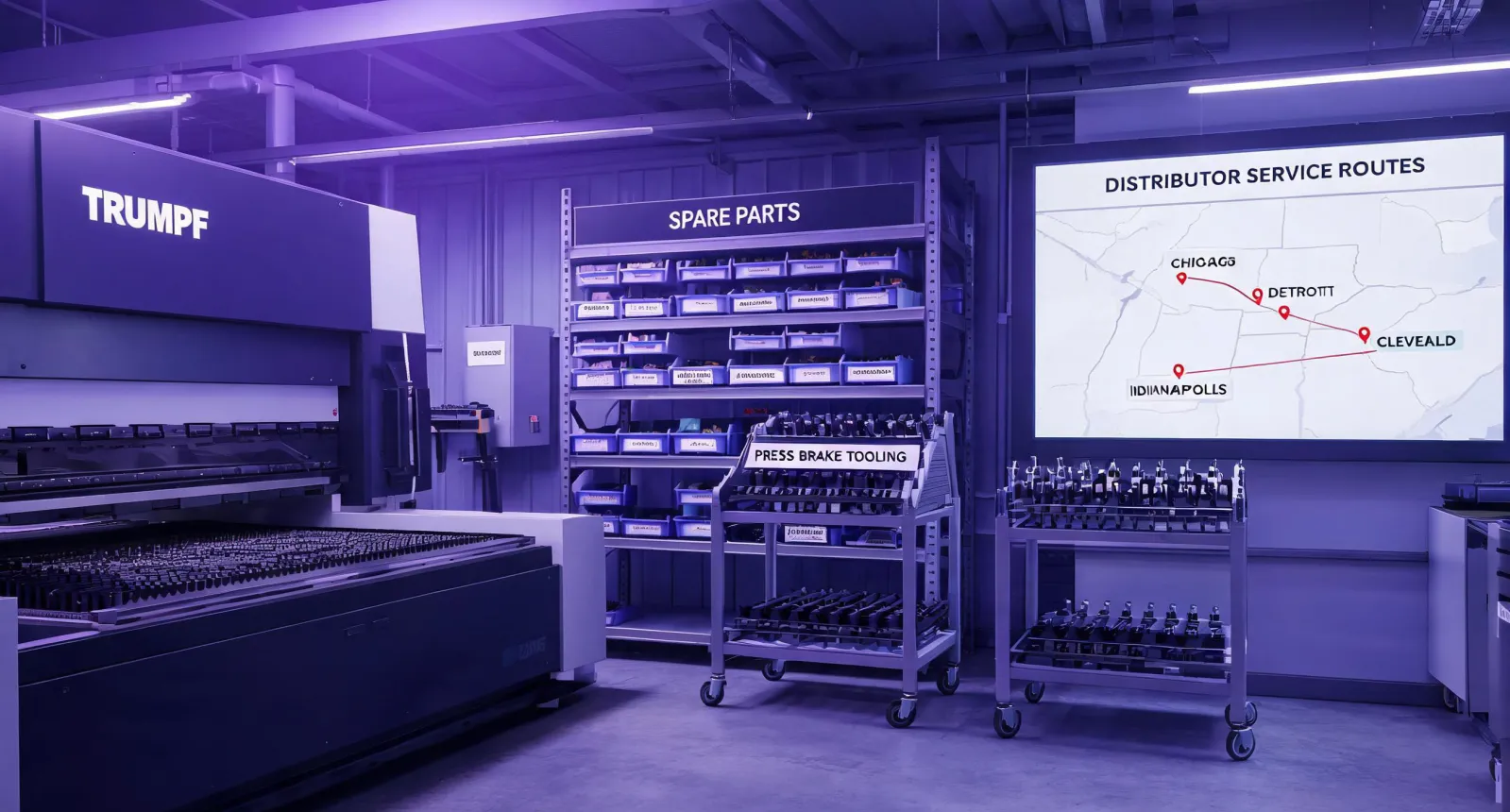
The strongest equipment program is not the one with the loudest quote. It is the one where the plant knows who supports the machine, which tooling is tied to the part family, which spare kits are staged, and how the next purchase order should be released.
Machine model, distributor region, service coverage, tooling list, and maintenance dependencies are placed into one source map.
Lead time, installation timing, and part-family demand are checked before a supplier route is treated as dependable.
Consumables, lenses, nozzles, tooling, software notes, and service kits are grouped around real production risk.
The buyer receives a reusable record for future orders, audits, maintenance calls, and engineering changes.
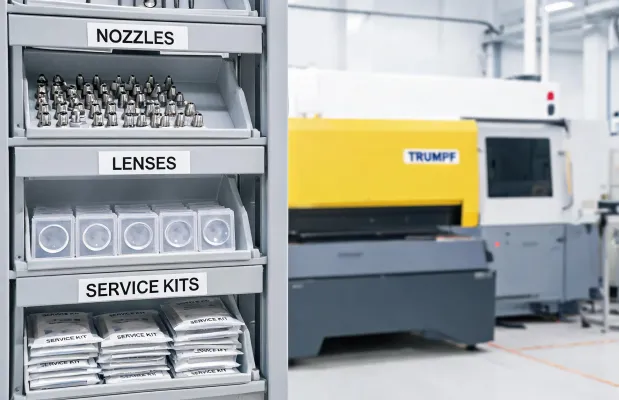
A plant had repeated downtime because replacement components were ordered only after failures. Trumpf Direct grouped high-risk consumables and service contacts into a planned kit, reducing the number of emergency purchasing events and making the next maintenance window easier to schedule.
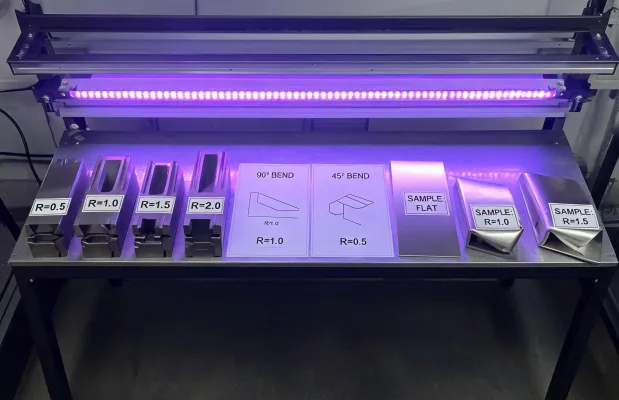
A repeat sheet metal program had multiple bend revisions and no single tooling reference. We tied each bend family to a clear tooling note, distributor contact, and release sequence so future buyers could order from the same controlled record.
Process controls and document retention expectations remain attached to each program.
Aerospace routes include traceability, first article, and escalation notes where required.
Automotive repeat work is organized around PPAP-aware purchasing and service records.
Send your current machine list, tooling references, or part-family requirement. Trumpf Direct will identify the missing supply controls before the next order cycle begins.